

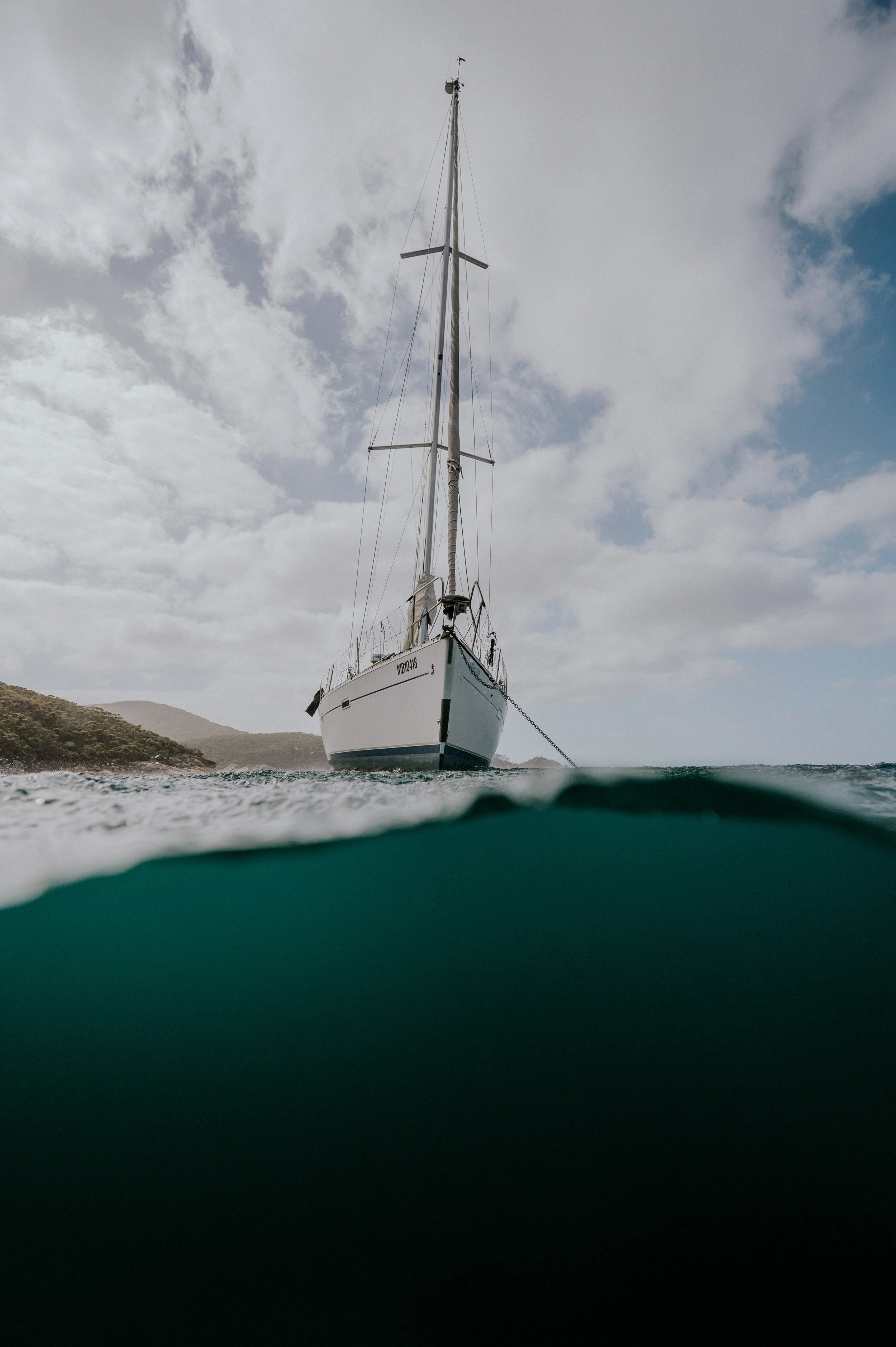
liveaboard sailing programs for small crews who want practical confidence, clearer judgement and be safe at sea.
SailCraft is the training pathway inside Fieldcraft: Afloat. It is built around real time aboard: sailing, seamanship, passage planning, watch systems, galley routines, crew care and the quiet work of keeping the boat moving and shipshape.
You might be learning to become more useful crew. You might be stepping into command in enclosed waters. You might be preparing for longer passages beyond protected water.
Everyone trains together as one crew, but each person is coached and assessed against their own stream.
Learn together, on the same boat, the same passage and the same liveaboard environment. The difference is what you are being coached and assessed to do.
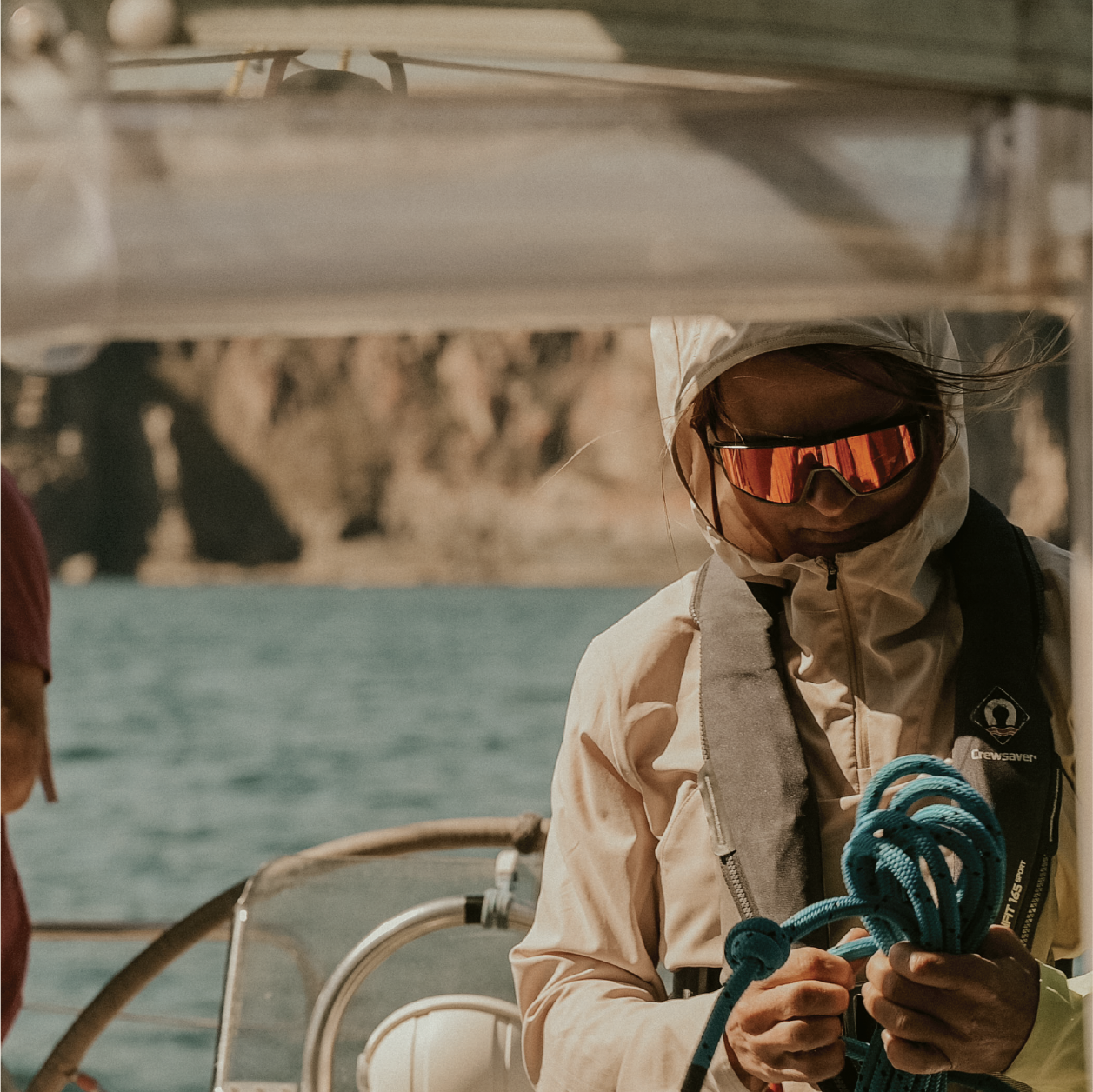
SailCraft 1: Competence
Competence is for people who want to become useful, calm and capable aboard a moving boat.
It is for people who have maybe done some sailing, read some theory, or spent time on boats, or feel the love of sailing adventure in thier bones and want the whole thing to make more sense.
This pathway is not about being a passenger with jobs. It is about becoming the kind of crew member a skipper wants and knows she/he can trust.
You learn to helm, trim, reef, handle lines, keep watch, assist with navigation, understand the passage plan, use the galley, stay shipshape and contribute to the safe rhythm of the vessel.
Outcome:
You leave useful on deck, calmer under instruction, intuitive and more aware of the whole boat, and better prepared for coastal or offshore passages as active crew.
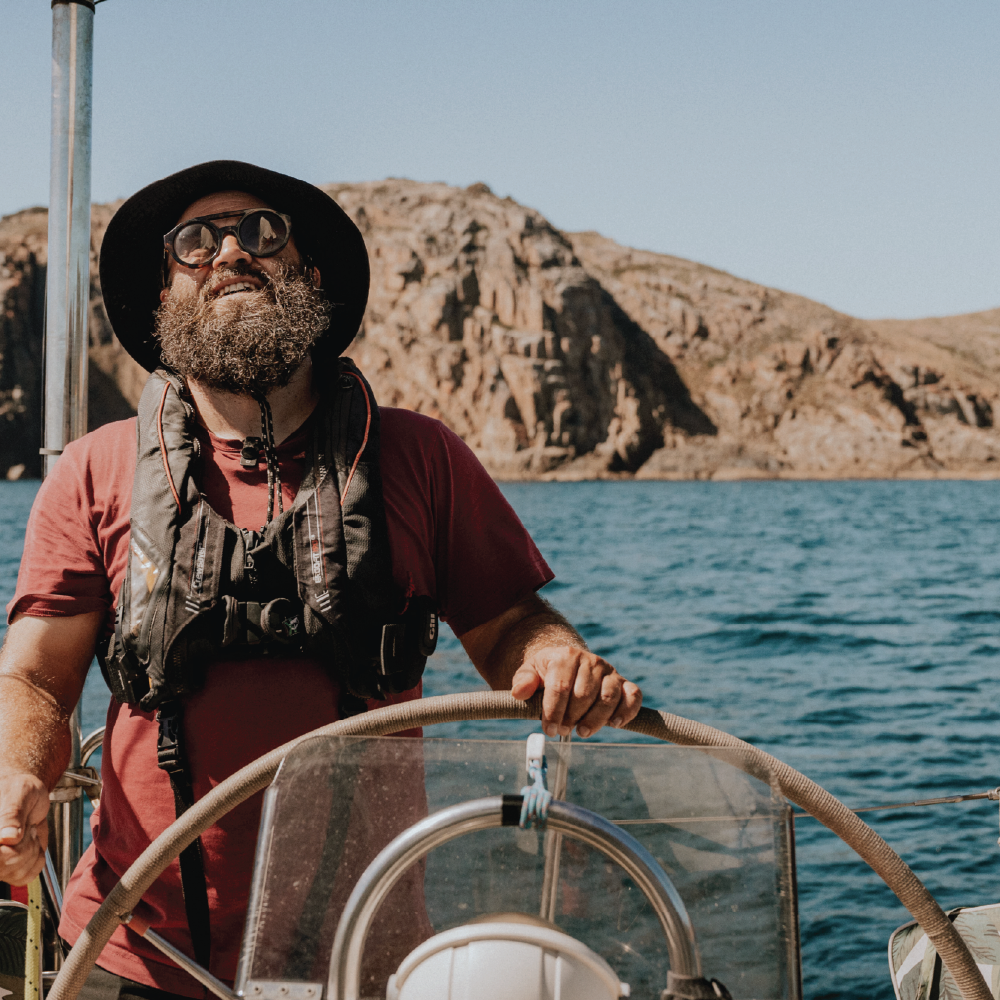
SailCraft 2: Command
Command is for sailors preparing to take responsibility for the boat, the crew and the passage.
It is suited to sailors preparing to charter, manage a private vessel, operate in enclosed waters and, when ready, extend into exposed coastal or offshore-style passages.
This level focuses on passage planning, close-quarters handling, anchoring, mooring, traffic, pilotage, crew briefings, weather decisions, watch systems, crew welfare and calm command under changing conditions.
A large part of the work is learning to slow the boat down mentally before things become rushed physically, and to recognise when the crew, the boat and the conditions are aligned for more demanding passages.
Outcome:
You leave with a clearer sense of whether you are ready to take responsibility for the vessel, how far that responsibility can extend, and what to practise next to build toward more complex offshore passages.
Book the boat as a crew.
Fieldcraft: Afloat is designed around a functioning crew, not four people doing the same thing at the same time.
Each booking is for up to four participants. Within that group, participants can be working toward different outcomes. This is deliberate, because it feels more like a real boat.
A skipper needs people to brief, direct and support. Crew need someone to learn from, respond to and question. The boat needs shared roles, rotating responsibility and clear communication.
Book the boat as a crew. Train as individuals. Learn as a functioning vessel.
WHO
Simon Murray is your instructor
AMSA Coxswain (NC Grade 1), AMSA Commercial Certificate of Competency. Program director and instructor with nearly 10,000 nm sailing the Adriatic, Aegean, Pacific, Tasman and two laps of Australia’s east coast. He lives for cruising Bass Strait and is strong in the galley. Owner of Bolero, his 8‑ton fibreglass french baby.
WHERE
We run these courses in Port Phillip Bay, a large venue offering genuine navigation challenges and ample facilities to support thorough contingency planning. When conditions permit, we also include short bluewater hops to Phillip Island and into Western Port. Weather and sea state determine the final itinerary, and we take the preparatory work at a steady, unhurried pace so no important lessons are not rushed or overlooked.
Choose the format that fits the crew.
Fieldcraft: Afloat can be delivered as either a 2 × 4-day program or a 7-day intensive. Both formats follow the same training logic. The difference is rhythm.
2 × Four Day Programs
Best for staged learning, reflection and easier scheduling. The two blocks should be no more than one month apart. The gap between blocks gives participants time to review the logbook, practise theory, reflect on assessment notes and return with clearer goals.
This format works well for groups who want the learning to settle between sessions, or who need a more practical way to fit the course around work, family or weather windows. $250 per person / per day all inclusive.
7 Day Intensive
Best for immersion, continuity and passage range. This is delivered as one continuous liveaboard program. This format works well for groups wanting a deeper liveaboard experience, bigger cruising range, develop a passage rhythm and a stronger Command focus for all. $250 per person / per day all inclusive.
Who is this for?
This program is for people who want time, repetition and real understanding.
It may suit you if you have done a sailing course but still do not feel confident, have crewed before but want to be more useful, know some theory but struggle to apply it on the boat, want to prepare for ICC-style assessment, want to charter, cruise or join longer passages, are moving from crew toward skipper, want to train with your partner, family or future crew, or want a calm, practical and customisable highly or lightly coached learning environment.
Mixed skills creates better training.
A Competence participant might be focused on helming, trimming, watchkeeping, line handling, galley routines and understanding the passage plan. A Command participant might be focused on planning, briefing, decision-making, close-quarters handling, crew leadership, welfare and responsibility for the vessel.
Everyone is part of the same passage. Everyone contributes to the same boat. Each participant receives their own assessment and next-step guidance.
We recommend mixed skill crews
The best crew mix is usually two Competence participants and two Command participants, or three Competence participants and one Command participant.
Four Competence participants can also work well for a group building foundation skills together. Four Command participants may be possible, but only where the group already has enough shared experience to rotate leadership without creating confusion.
-
The modules are not fixed days. They are the working parts of the course.
We bring them forward when the conditions make them useful.
-
The course starts before you step aboard.
Each participant completes a short learning profile. This helps us understand your sailing experience, theory knowledge, confidence level, goals, fears or sticking points, preferred learning style, physical or medical considerations, and what you want to be able to do after the course.
This is also where we help place each person into the right level. One person in the group might be building Competence, while another is ready to practise Command.
You will also receive pre-course material so the first day on board does not feel like a vocabulary ambush. The aim is not to memorise everything before you arrive. The aim is to give your brain enough structure that the practical training has somewhere to land.
-
Once aboard, we turn theory into context.
You learn the actual vessel: where things are, how systems work, how to move, how to communicate, what can hurt you, what can break, and what needs checking before departure.
We work through safety systems, lifejackets, harnesses, tethers, deck movement, fire, flooding, man overboard and distress equipment, engine checks, seacocks, bilges, fuel, water, batteries, navigation systems, radio checks, deck setup, emergency gear, crew roles and life aboard.
We also work through the practical systems that keep the crew functioning: where food is stored, how the galley works, how cooking happens underway, how water is managed, how rubbish is contained, how cleaning is shared, how wet gear is handled, how sleep and watches are planned, and how the crew keeps shared spaces shipshape.
-
Learn the vessel as a system. You learn the vessel as a connected system: deck layout, engine checks, bilges, batteries, water, fuel, seacocks, radios, navigation systems, emergency gear, crew roles, watch routines and life aboard.
The aim is to understand how the parts connect, not just where things are stored. A boat is not just sailed. It is operated.
-
Learn to feel what the boat is telling you. This module is about steering under power and sail, holding a course, steering to wind angle, understanding weather helm and lee helm, feeling heel and rudder load, and connecting trim, balance and control.
For many sailors, this is where confidence starts to shift from thinking to feeling.
-
Understand how sails create power and how to control it.
This module works with points of sail, mainsail trim, headsail trim, traveller, vang, sheets, halyards, twist, telltales, reefing, depowering and sail choice.
The aim is to stop trimming by guesswork and start understanding what the boat is asking for.
-
Move the boat deliberately under sail.
Tacking, gybing, reefing, heaving-to, hoisting, lowering and sailing controlled courses are practised as coordinated crew actions rather than isolated tasks.
The focus is clear communication, safe line handling, awareness of other vessels, and keeping the boat under control even when timing is poor.
-
Build control when there is less room and more consequence.
This module works with engine control, prop walk, windage, confined-space turns, departing and returning to a berth, springs, fenders, mooring buoys, anchoring and aborting an approach.
The goal is not to rush into perfection. The goal is to learn how to slow down, communicate clearly and reset early.
-
Turn information into a workable plan.
This module works with charts, plotters, bearings, depth, hazards, waypoints, weather models, wind, waves, swell, tide, shelter, exit options and passage timing.
Competence participants learn how to understand and support the plan. Command participants learn how to create, brief and adapt it, including when conditions allow for more exposed or offshore-style passages.
-
Keep the boat and crew functioning.
This module covers the practical domestic seamanship of a small vessel on passage. You learn how to think about provisioning, food planning, water use, fuel range, cooking systems, galley safety, rubbish, cleaning, hygiene, shared spaces, wet gear, storage and daily routines.
You will help prepare, cook, clean and reset the boat. You will learn what food works at sea, what becomes difficult, how to plan meals around conditions, how to reduce mess, how to manage water, and how to keep the boat usable when people are tired, wet or seasick. The aim is not to turn sailing into housekeeping. The aim is to understand that staying shipshape is part of seamanship.
-
Sustain the passage over time. A functioning boat is not just sailed well. It is lived on well.
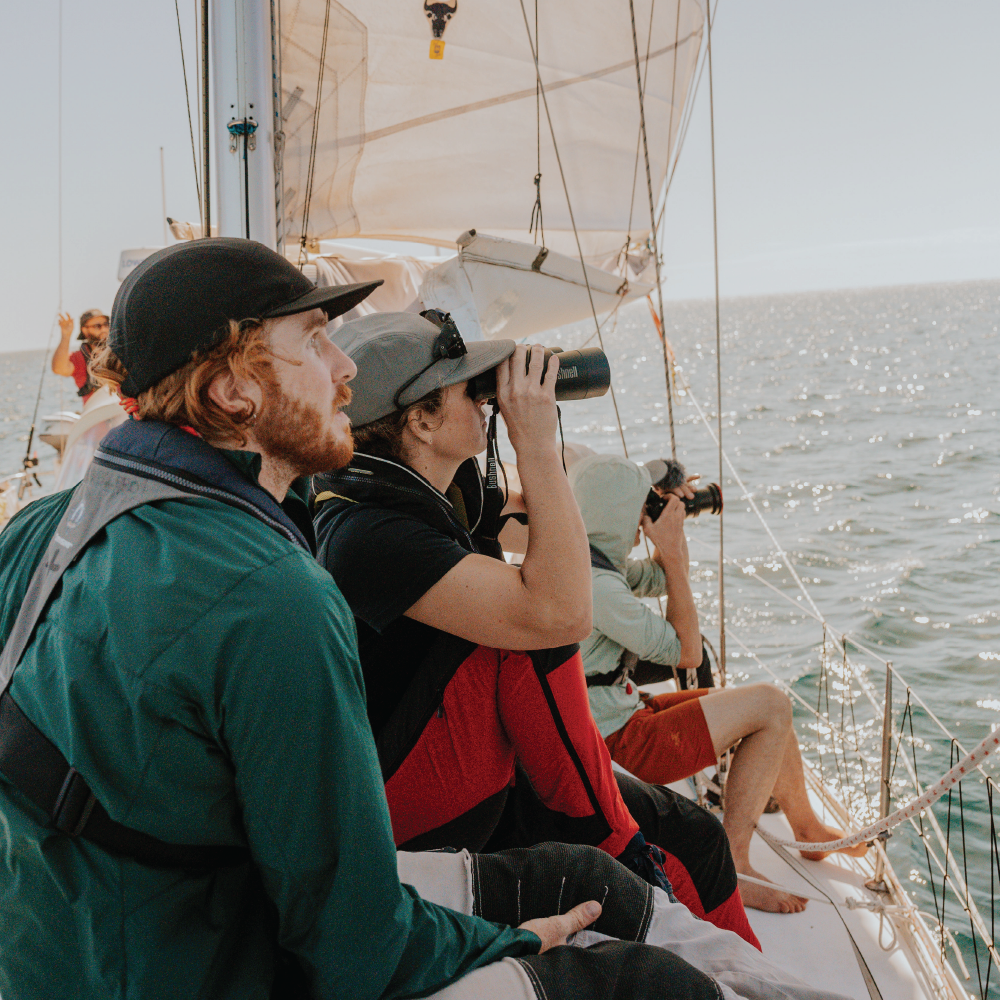
This module covers lookout, log keeping, position checks, weather observations, galley routines, hydration, food, seasickness management, sleep, fatigue, shared spaces and morale.
We also talk openly about the human side of passages. Seasickness, anxiety, frustration, tiredness, poor sleep, cold, hunger and uncertainty can all change how a crew functions. Learning to notice those things early is part of good seamanship.
Competence participants learn how to look after themselves and contribute to the rhythm of the boat. Command participants learn how to read the crew, adjust the plan, manage fatigue, reduce avoidable stress and keep people functioning safely over longer or more demanding passages.
-
Make safe decisions around other vessels.
This module covers lookout, safe speed, collision risk, give-way and stand-on responsibilities, narrow channels, sound signals, visual distress signals, VHF communication, distress alerting and closed-loop crew communication.
The aim is to understand what is happening around the boat and communicate decisions before they become problems.
-
Respond when the plan breaks.
Emergency response is practised through managed scenarios. You may work through man overboard, engine failure, fire, flooding, loss of steering, fouled prop, navigation uncertainty, loss of visibility, gear failure, injury or illness, heavy-weather response, heaving-to and calling for assistance.
The point is not to make things dramatic. The point is to learn how you respond when the plan breaks.
-
Think more like a skipper.
This module ties the course together. You practise situational awareness, risk assessment, crew leadership, decision-making under uncertainty, knowing when to simplify, knowing when to stop, briefing before action and debriefing after action.
Command is not just deciding where the boat goes. It is noticing whether the crew can still do the job. You will be coached to consider fatigue, seasickness, hunger, hydration, morale, conflict, fear, confidence and communication as part of the passage plan.
A skipper who ignores the crew is not managing the vessel. A skipper who understands the crew has more options. And crew should know to expect this from a skipper and speak up!
-
Every evening we stop and turn the day into understanding.
We talk through what happened, what went well, what went wrong, what clicked, what still feels confusing, what the boat needs tomorrow, what the crew needs tomorrow, and what each person needs to practise next.
Participants record observations in the logbook. This is not busywork. It is the structure that helps you process the day and carry the learning forward.
The logbook records the passage plan, weather, tide, crew roles, watch schedule, departure checks, running checks, navigation observations, maintenance notes, fuel and water notes, provisioning considerations, decisions, mistakes, debrief notes and personal reflections.
The next session builds from this.






ASSESSMENT
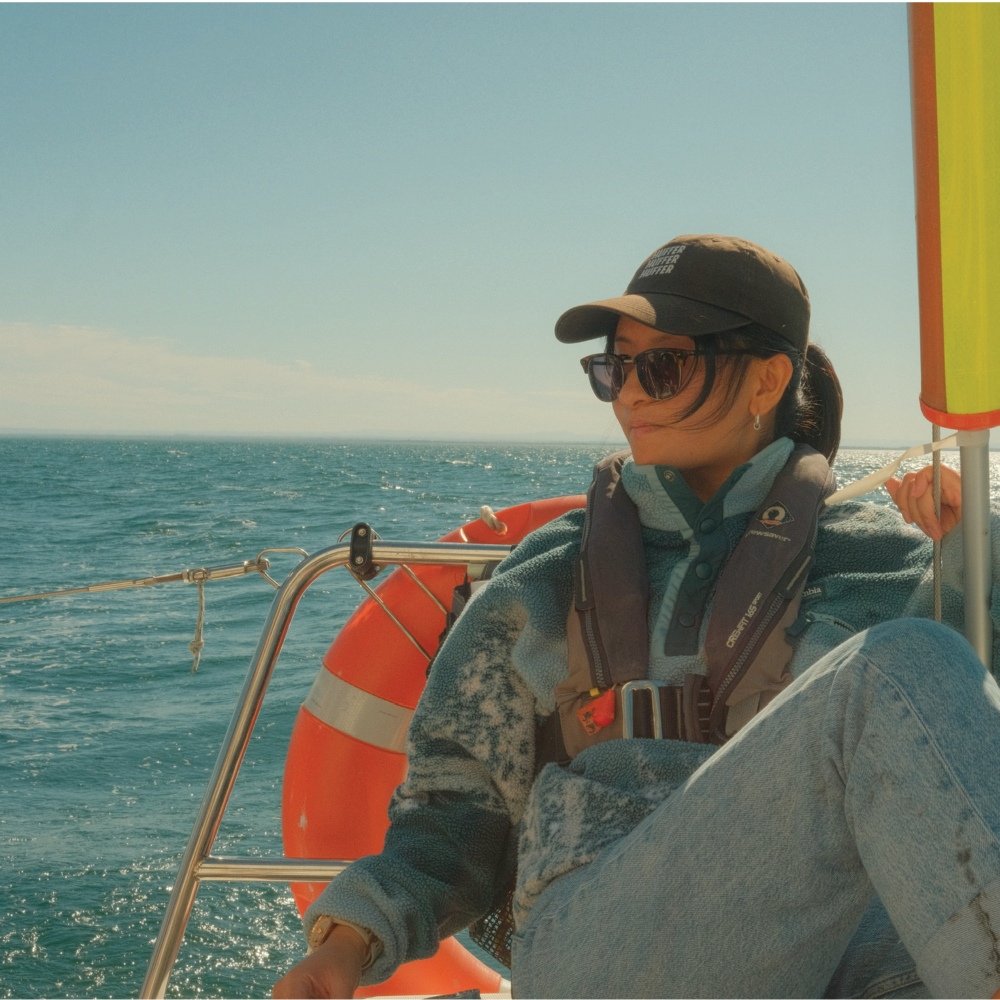
Assessment happens while the boat is operating.
This is not a single artificial exam moment at the end of the course. You are assessed while doing the work: preparing the boat, briefing the crew, helming, trimming, manoeuvring, navigating, keeping watch, communicating, solving problems, supporting the crew, making decisions and reflecting honestly.
Everyone trains together, but assessment is individual. A Competence participant is assessed as crew. A Command participant is assessed against command behaviours.
Assessment is recorded using a practical independence scale.
0 — Not observed
1 — Awareness only
2 — Can assist with direct guidance
3 — Can perform with light supervision
4 — Can perform independently
5 — Can lead, brief and adapt under pressure
COMPLETION
You leave with evidence and direction.
At the end of the course, each participant receives a Fieldcraft certificate of completion, a practical assessment form and individual next-step guidance.
The certificate records the level completed. The assessment form records what was observed, what level of independence was demonstrated, and what needs more work.
The next-step guidance helps you understand whether your best next move is more logged hours, more active crewing, close-quarters practice, VHF radio training, first aid or sea survival, ICC-style assessment preparation, night sailing, longer passages, private coaching or further formal training.
Finishing the course is not the end.
It is the point where you finally know what to practise next.
ABOUT SV BOLERO
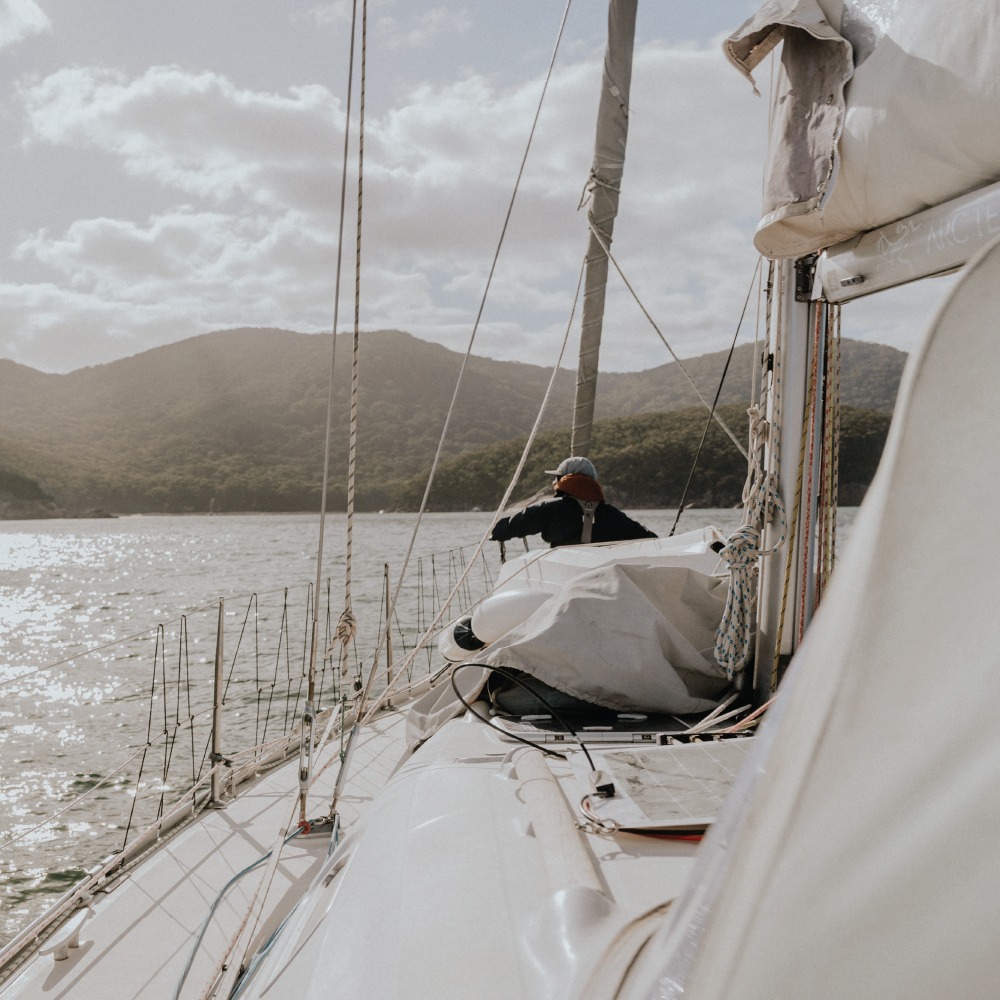
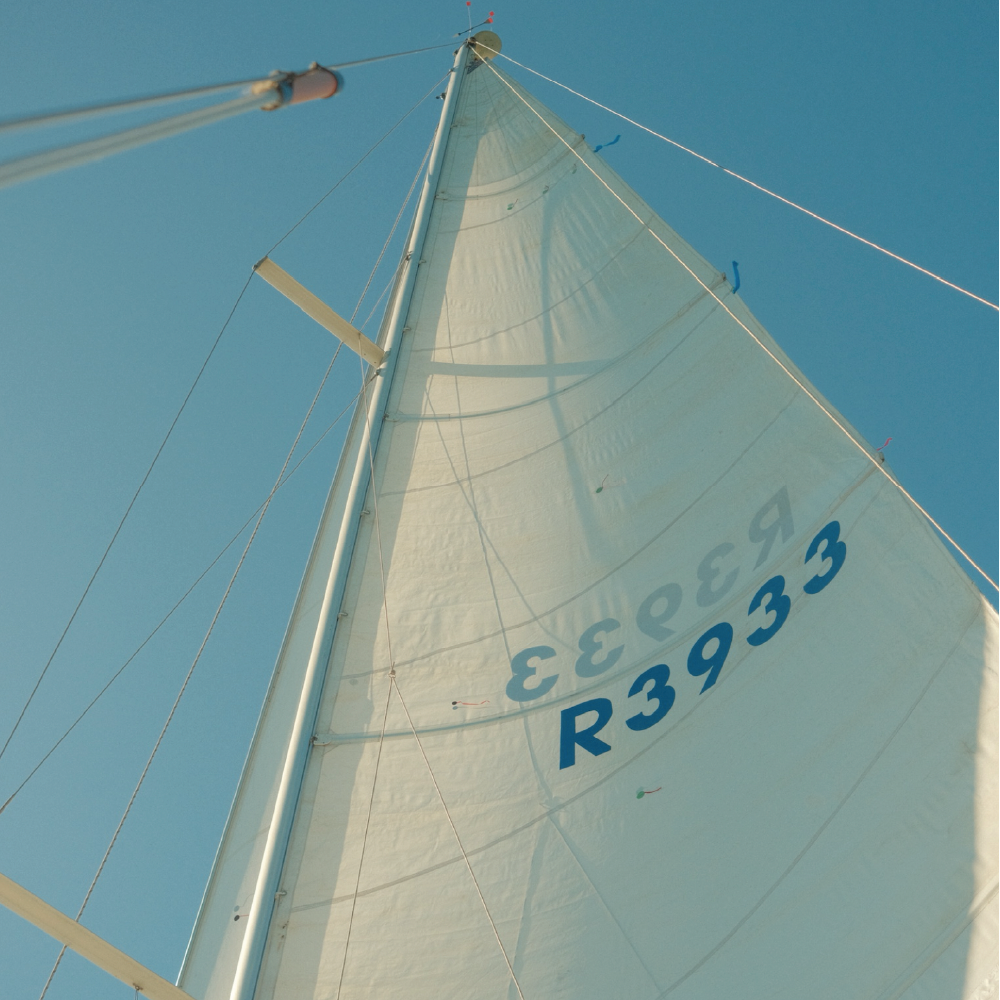
The vessels we use are 12m Beneteau 393’s. A french build of luxurious ‘passage maker’, Bolero, a ‘survey vessel’ meaning she meets the safety standard for commercial vessels as administered by the Australian Maritime Safety Agency. They are three cabin layouts with twin berths in each. Toilets front and back. A large saloon to seat 6. All the mod cons in a spacious layout. Safe and sturdy enough to cross an ocean.


Contact
Don’t be shy.
Get in touch